A Camp Attack in Mozambique
Four years after Rhodesia was handed over to that homicidal maniac Mugabe through notoriously farcically rigged elections, I found myself whiling away the time in Durban, South Africa.
It ought to be remembered that a large portion of the hapless – and, contemptibly irrelevant to the UK govt interests- Zimbabwe population was to be sacrificed. Jimmy Carter, in keeping with his globalist ideals and Maggie Thatcher pandering to her lobbyists of the same ilk sold them down the drain. Crime against humanity material.
On the 1st of April 1980 1 Rhodesian (C Sqn) SAS Regiment ceased to exist when Rhodesia became Zimbabwe. Confined to barracks and no longer operating the residual troops were left in limbo until the complete disbandment of the unit at the end of that year.
The ‘Plinth’ a monolith of black granite bearing the names of the fallen was moved for its safety from the parade square in the Kabrit barracks by the airport in Salisbury to a Durban cemetery in South Africa. In 2016 for the same reason it was moved again to the UK in Hereford, home of the mother unit.

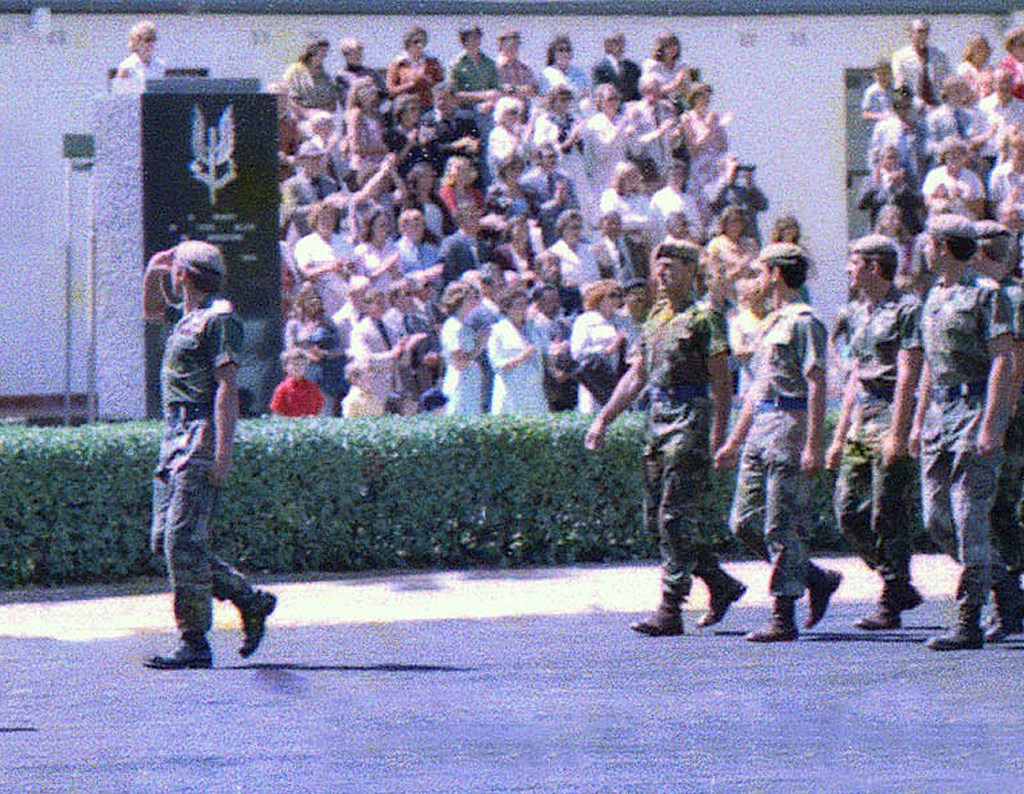
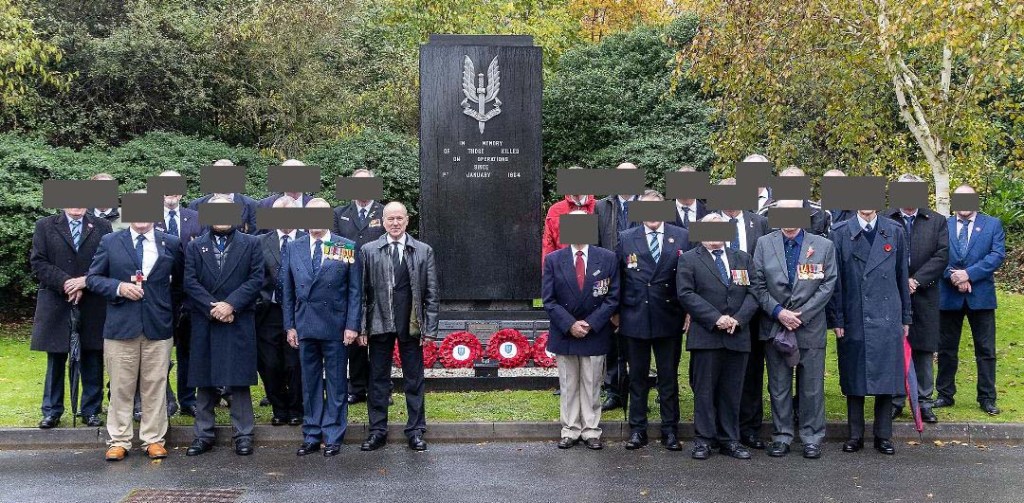
November 11 2024 Remembrance Day. Hereford, England.
With members who marched on the parade square 46 years ago.
Later in front of British SAS Troops and hundreds of next of kin attending I had the honor to lay the C Sqn wreath at the base of the ‘Clock’.
Out of uniform and out of action former members hoping to prolong the adventure threw in their lot by crossing the southern border to join the South African Recces – an unfortunate move for some. More were content to give civilian life a go others still like myself egged on by restlessness went on making use of a good CV by tracking various military related job prospects as these came and went contingent on the whims of sponsors weighing their return on investments, we became soldiers looking for their fortune.
One sunny Spring morning, looking to have some breakfast, I walked in the Press Cafe on the Durban beach front, a popular spot with the locals. Looking around for a table, I had a pleasant surprise when I caught sight of the familiar silhouette of Bob McKenzie in the company of his girlfriend.
When we last met, Bob -Major, Sir- was my Troop later Squadron CO- to this day, one of a small number of men I feel honored and fortunate to have met during my soldiering days. Ready to show genuine concerns for the personal well being of the troops under his command in combat while displaying the brutal, ruthless and scrupulous efficiency of an elite soldier, the hallmarks of the All American Hero of a Hollywood war movie of the sixties.
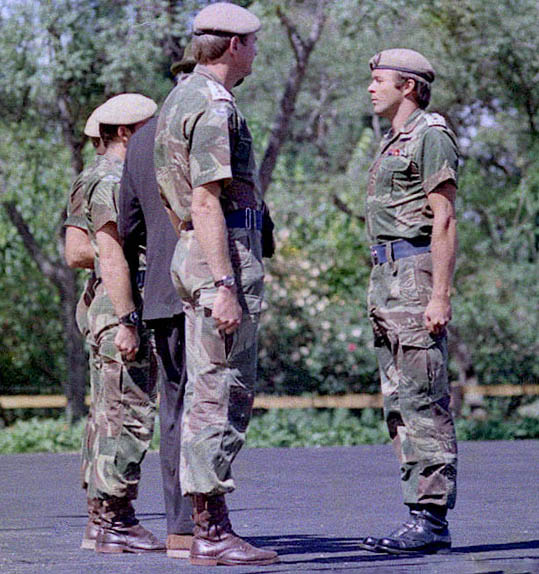
I was greeted with a big welcoming smile. After the preliminaries catching up with the old days, he mentioned having teamed up with two other former Squadron officers to publish a book about the history of the Rhodesian SAS.
Barbara Cole a journalist and wife of Pete Cole a former Lt. in B Squadron was gathering material for her writing. Later when we met, she asked if I could contribute some stories and when I mentioned I had managed to salvage a collection of photographs taken during the war, she pleaded for their use. Hard up for the Beira Op for which there was no document I offered to do an illustration as I had taken part in it. Later as a grateful gesture she presented me with an autographed copy of her book.
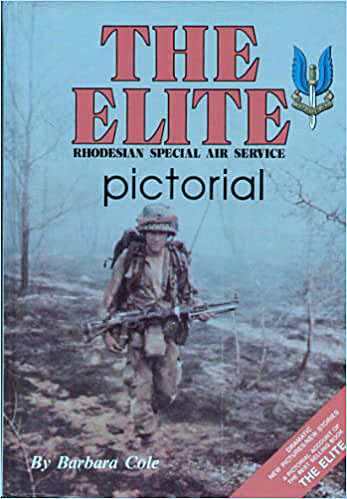
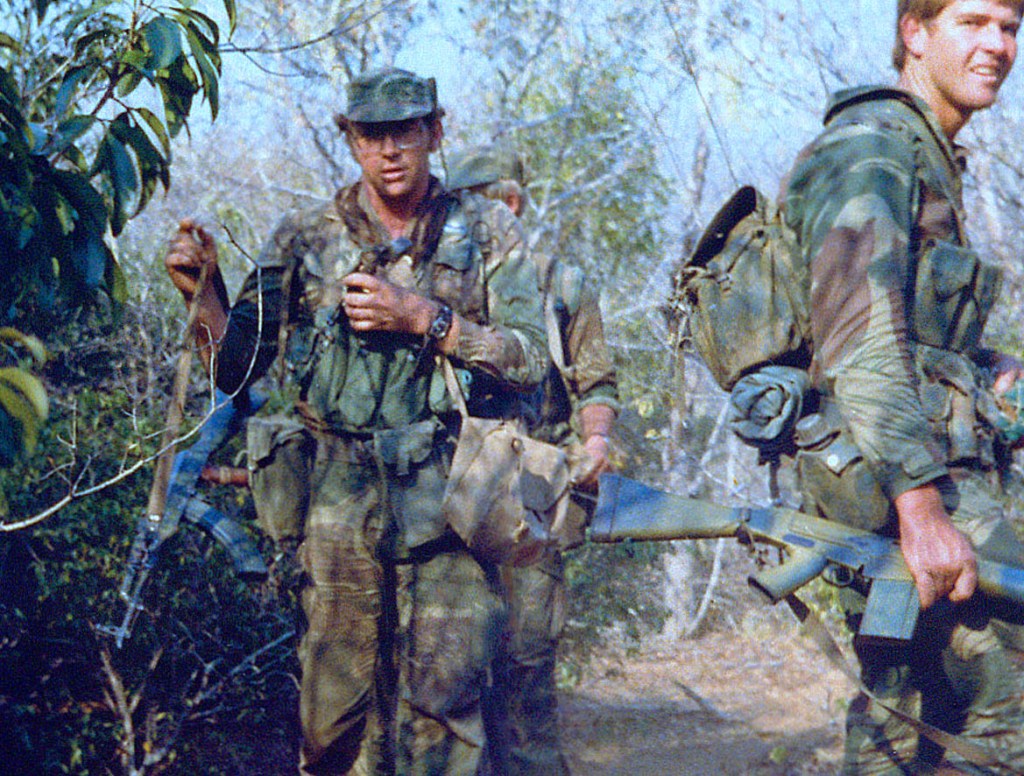
This is how a photograph – by Steve K.- came to be featured on the cover of the Pictorial edition ‘The Elite’. Many years later another photograph taken at the same time was, I was told used by several authors for their books on the Bush War.
The following account relates the circumstances these photos came about.
Both were taken on September 8 1979 during the pull back from a raid on a Frelimo -aka ‘Freds’- lair and main admin center in southern Mozambique fifty miles from the border with Rhodesia. The town of Mapai had become the launch pad for thousands of ZANLA terrorists who contrived their infiltration to rampage, loot and rape their way throughout Rhodesia, with full logistical support from the USSR, their sponsor.
Towards the end of August 1979, the guys and I were on r&r or as was the expression ‘in town’ enjoying braais by the side of swimming pools and meeting girls in discos to the tunes of ‘Good Times’ and ‘My Sharona’, when one morning we received word to report to the barracks without delay.
The Squadron fell in for a prebriefing in an electrically charged atmosphere, all anticipating the announcement of a ‘big one’. This was confirmed as the details were being revealed.
In an upbeat of general approval Combined Operations had finally decided to deal with this festering part of Mozambique, aka ‘Porkos’ also ‘the Russian Front’ for the ubiquitous Warsaw Pact advisers, odd Cubans and North Koreans seen crawling all over the place. A raid was to be launched to take out the terrorist base at Mapai, once and for all.
The assault forces were to consist of a little over three hundred Security Forces backed by all the aircraft the Air Force could muster. An important military campaign by Rhodesian standards stretching resources by concentrating on a single objective.
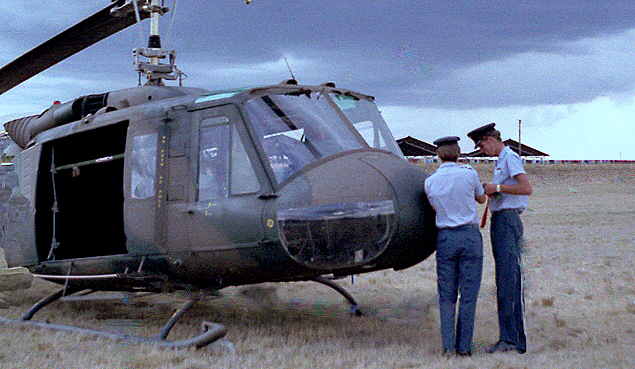
The operation was code named ‘Uric’ – always wondered about that name.
When proclaimed as being ‘on’ large Ops never failed to produce a boost of high spirits to the moral the guys being given a chance to a deployment to vent pent up resentment at being time and again mauled by an invariably superior enemy. A buzz for action made even more acute upon learning the ‘ZANLA-Freds’ would be at the receiving end.
To make sense of that eagerness some explanations on the Squadron SOP.
A Rhodesian SAS operating member assigned to a job packed his H frame bergen with the usual necessaries; landmines, claymores, mortar bombs, RPGs with rockets and boosters, the odd 75 recoilless rifle -with tripod- the rounds, M962’s to spare, TR48 or -if lucky- A76 radio sets, drip, ammo, night visions, water to stretch, a bit of food -to stretch even more- a piece of parachute canopy for sleeping bag, camo cream plus the odd gimmicks when Ops happened to be ‘funnies’ the lot adding to a one hundred pound load on top of the personal weapon AK, RPD, a hand gun and for the occasional sniping mission a heavy barreled .303 Enfield bolt action rifle mounted with telescope. Plus hundreds and hundreds of matching ammo.
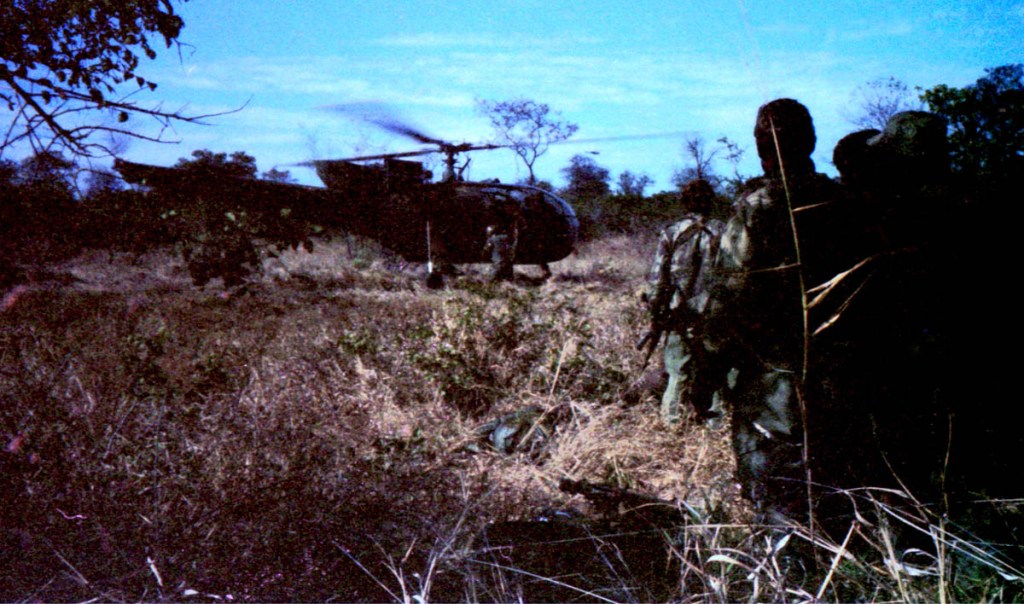
Fully loaded, the operator was covertly deployed routinely heli-para-halo-scuba-boat-truck dropped as part of a four men callsign – could be six or even eight depending – deep, often very deep into enemy territories.
He would set off for several weeks on prismatic compass patrols to cover miles of hilly, dry, bushy, parched country to set up OP’s, pick up intelligence, lay ambushes, mines, hit selected objectives, capture or eliminate prominent targets while simultaneously having to contend with a teeming African wild life red in tooth and claw.
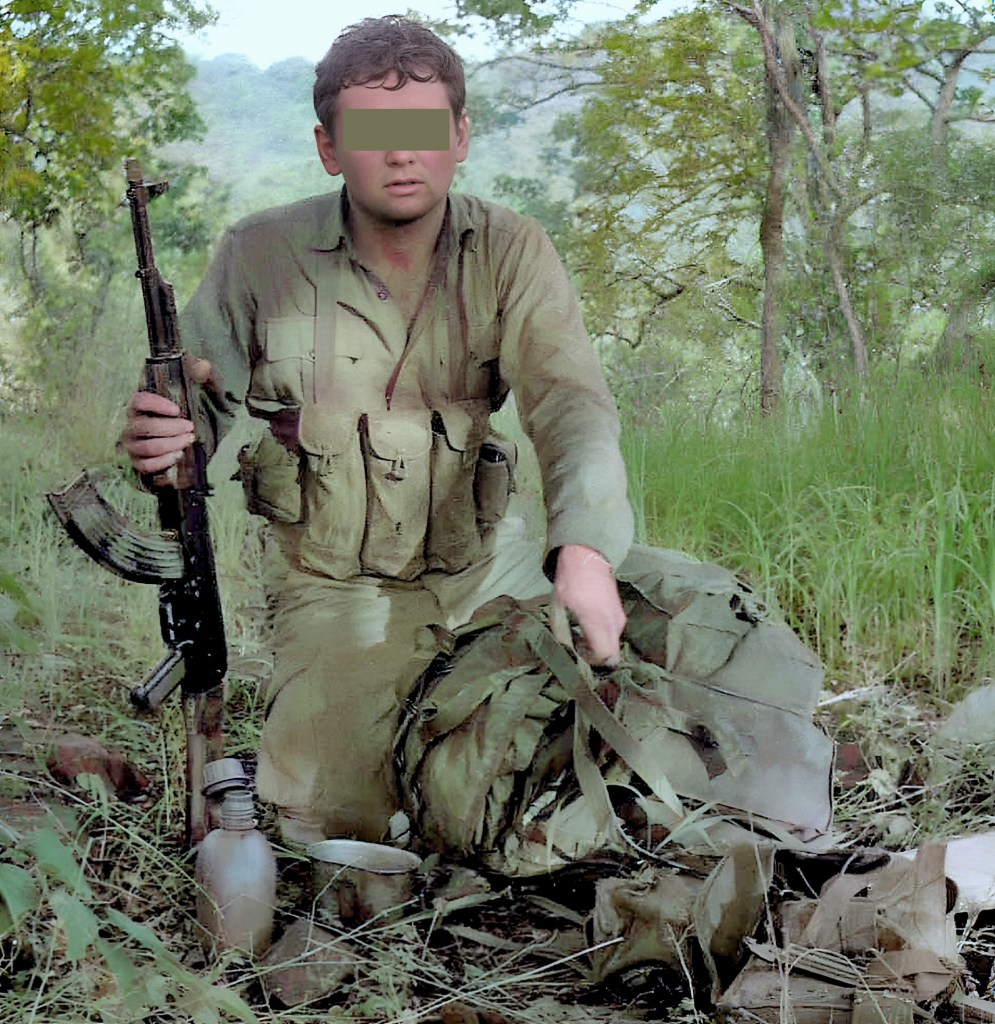
Inherently the consequences of a successful task or an inadvertent compromise saw the callsign, by virtue of its nature, exposed to the reaction of an enemy numerically superior, out gunning and irrationally bent on revenge. Large-scale manhunts were set in motion a scenario made even more irritating when Migs and T’s enter the fray. Extraction rarely a practical option.
Still, it is worth mentioning no matter how tight a corner it found itself with the enemy breathing down its neck a Squadron callsign never passed a chance to create more mayhem along the way, if only to lighten his bergen.
But with the Freds it had always been almost personal, the blurry distinction between them and the terrorists having long been cleared up.
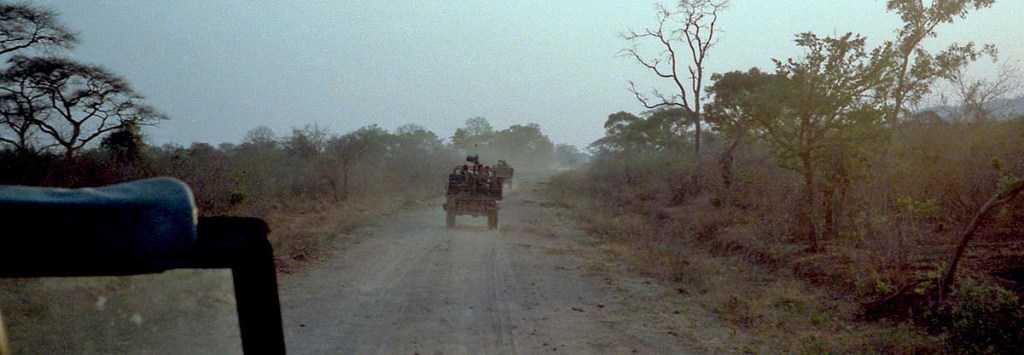
Within hours of Op ‘Uric’ general briefing, tons of ammo and combat gear had been loaded on the trucks. Urged on by the weather and security concerns, we were well on our way south by the time the cloud of dust kicked up by our convoy passing full speed through the barracks gates had settled.

For the long drive, Dave Berry and I took turn at the wheel of a 4,5t. heading down to Mabalauta, in better days a popular lodge resort for big games in the Gonarezhou National Park close to the Mozambique border.
Directly across was Malvernia, a town with a bad name for its sporadic pin prick mortar and rockets attacks. When I was in the RLI doing externals, we invested much time elaborating appropriate responses with the use of adapted tactical harassment. In the end as always, the artillery was called to unleash an apocalyptic barrage on the little town, to little avail, all went quiet for a few days and the mortaring resumed as if nothing had ever happened. This going on for years.
While driving Dave -a Sergeant- and I discussed with eager anticipation the upcoming operation, picturing ourselves enjoying a beer in the town after it had been taken.
A couple of stops at WVS the roadsides run by local associations of lady volunteers who offered tea and scones to the troops traveling through their town and late that evening we reached the base camp and crashed for the rest of the night under a bright canopy of stars.
At dawn, we kitted up and choppered the first leg out to the forward operating base over an endless progression of pinkish pale dry cracked barren landscape dabbed at interval with circular islands of greyish scrubs, in the rainy season thousands of square miles of wet swamp.
The entire assault force had been assembled in one of those islands, and coming in for landing we were treated to an exhilarating sight showing the scale of the operation with a number of South African Air Force Super Frelons, Pumas SA330 and piles of 44 gal. avgas drums dumped all around the bushes. The magnitude of Op ‘Uric’ had called for assistance from the SAAF. Here I ought to spare a thought of gratitude for the unwavering support their pilots never failed to provide us. Among the best ever to fly helicopters in combat.
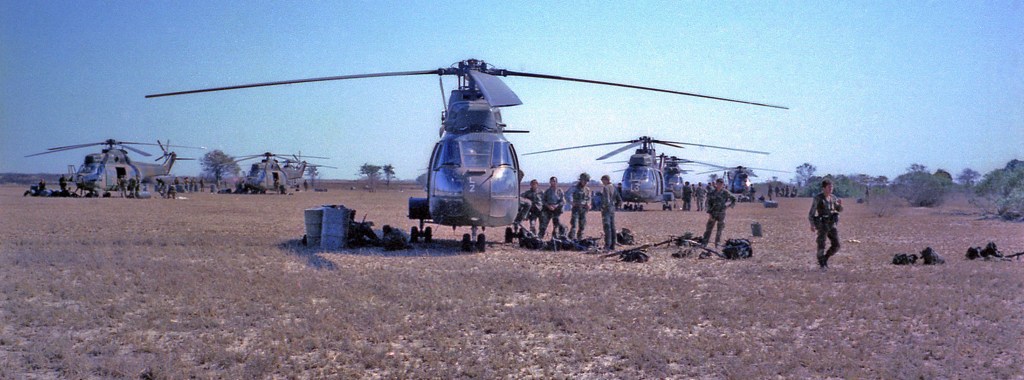
The troops bevvied up close to Jesse bush or anywhere shade could be found. On the ground at eye level the camouflage was as good as could be managed to hide the presence of such a large force.
An unexpected incident occurred earlier that morning when a group of Fred was sighted in the distance. Closely monitored it was seen suddenly changing course to head straight for the assembly area.
A defense line was formed with about thirty rifles and machine guns. While trying to figure out what had motivated their decision hardly anyone could believe the luck at being presented with such a chance to settle scores when the callsigns were regularly given the chase, suppressed giggles may have been heard. Invisible in their bush cover the fore sight of every weapon was trained on the Freds.
These stopped about two hundred feet away to fan out in a line parallel to the bush, gunslinger like.
Smugly convinced that he had trapped one of our small patrol the leader began a high pitched tirade in Portuguese. Satisfied with his monologue of verbal abuse, he ended it with an impatient call to come out and surrender. Then considering he had been fair by giving enough time to comply, he ordered his men to open fire.
From the bushes exploded a single shot from thirty barrels. When the dust eventually cleared, twenty two bodies laid scattered on the ground.
Our presence had been compromised probably more rapidly than it was going to be by the regular overhead Soviet satellites. Organized counter reaction now a short time in coming.
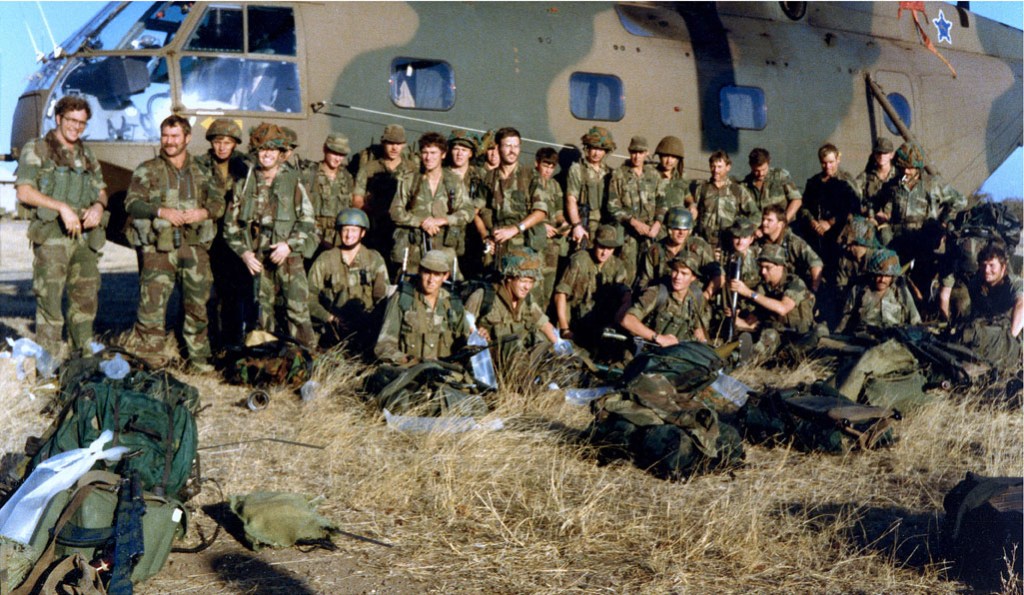
Additional RLI troops and Engineers had been brought in to beef up the Squadron assault strength. To ensure success, over the three previous days troops backed by jets had been blowing up bridges further north to cut off the access roads to Mapai with stop groups positioned to destroy exfiltrations.
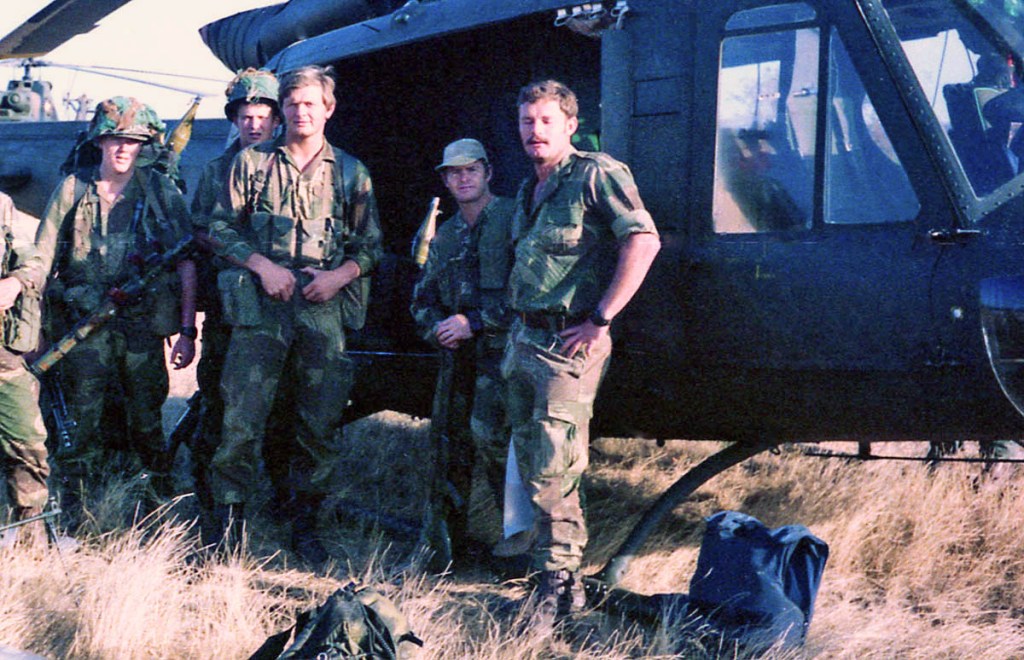
Mid-morning after a final group photo the callsigns began loading their kit on the Pumas. With limited sitting everyone tried best to arrange himself some travel comfort on the floor space. The heat of a sun already beating hard.

The assault begins.
In a coordinated take-off the choppers raise a thunderous cloud of desert red dust mixed with exhaust fumes.
Airborne with the last fail safes behind and the fear of the operation being aborted there is a general sense of relief. Now all the minds switch to combat mode.
The Puma skims over the ground at two hundred and twenty kilometers an hour. An occasional bump of turbulence. The sliding side doors are latched wide open in the deafening hot gale rushing about the cabin the conversations are rare. Everyone gazes at the speeding bone dry featureless landscape stretching to the end of the simmering horizon. For a cue I turn in the direction of the pilots only to see the cryptic back of their helmets.
The thick leather sling of the RPD wrapped around my arm I hold it by the top cover to adjust the feeding tab of the ammo belt. If anything we won’t part. The assault group is up to the brim with ‘battle lust’ spoiling for the use of its firepower.
A Shakespeare buff a line comes to my mind ‘… Let us to it pellmell if not to heaven then hand in hand to hell …’
We are minutes from landing now passing over patches of green vegetation some sealed roads with constructions.
A loud cheer in the cabin. I feel a tap on the shoulder everybody is looking out the opposite open door. Less than a mile away a column of thick black smoke rises high up in the sky. More cheers and excited thumbs up. No sign of reaction from the pilots. We have reached the landing zone.
Hawker Hunters jets are all over the sky sparks spewing from their rocket pods streaks of blue smoke darting to the ground in a staccato of bright orange flashes and black puffs pounding the Freds anti-aircraft defenses into dust clouds. Intercepted Int later revealed their friendly Soviet advisers helped them keep manning the positions with a pistol pressed against the back of their heads.
Our helicopter reduces its speed to hover a few feet above a carpet of flattened dry yellow tall grass. The tech gives the signal to get off.
First out I drag my bergen with one hand the loaded RPD with the other and hop out to land right on top of the body of a dead Fred.
The last guys are collecting their gear while the rest of us crouches around the LZ weapons pointed to the surrounding bush. I heave the ton heavy rucksack on my back, the Puma rears up to disappear over the tree line I adjust the shoulder straps. In the receding deafening whirlwind of the rotors a distant thundering roll of uninterrupted explosions becomes louder. The callsigns spread out to form a sweepline.
Puzzled I look at that body wondering how it got there. We are well over a thousand yards away from the target. I take the breech block out of his AK.
A soft searing breeze brings whiffs of smoke from burning bush. A glance to the rear and to the sides to line up. The sun beats down still harder. The advance is initiated.
Overhead at a low altitude screeching jets swoop on their bomb runs. Higher barely visible the command Lynx push-pulls are circling. Our COs Brian R. and Garth B. coordinate the movements.
The approaches of the zone perimeter change to a landscape of ash swept by acrid veils of smoke and the smell of explosive.
Now on trigger alert to maintain a visual contact with the next guy at times blocked by the bushes becomes difficult. To the front dips in the ground towering anthills and copses of smouldering trees restrict a field of view to a mere few yards.
Probing the depth of the bushes the muzzle of the RPD accompanies the sweeping movement of the eyes, safety catch off the finger rests lightly on the trigger.
A guy silently extends a fist with a thumb down to signal the first trenches. Distant shapes surging, no clear targets. The line moves on. Each step a watchful look out for booby traps.
To the right somebody opens up, finally. In reaction multiple erratic automatic fire incoming crackling streaks of colored tracers with ear ripping thumps from recoilless rifles. Our line hits the ground.
Crushed under the weight of the pack I let out a groan to spit out a mouthful of dirt. The steel helmet, a first on an op cramps the neck. Pinned down the chin touching the ground less than a couple of inches above the head a continuous torrent of crackle I try to locate something to shoot at. Ahead a slight rise in the ground. Breathing heavy I snug fit the butt plate of the RPD in the shoulder a length of belt laid out of the pouch. In the dusty furnace sweat pours into the eyes.
In the middle distance agitated figures pop out of the ground DhsKs giving them covering fire. Short bursts from our side knock several down followed by neutralizing single spaced aimed shots.
A few seconds marked, in a surge of adrenaline our line gets up to break into a rapid in two’s skirmish with short bursts into likely covers. A leap into the first trench. To the left beyond our arc of fire horizontal shafts of tracers and RPG’s crisscrosses the landscape ripping the scrawny trees. The trench in the rock hard soil is only waist deep high.
Close by I watch one of our guys carried by the weight of his bergen cartwheel head first to the bottom of the trench. His legs frantically kicking the air a kind soul pulls him upright.
The relative sense of safety below ground level is short lived. To the left heavy gunning kicks rocks and dust concentrating on our position, like being under a trip hammer gone berserk.
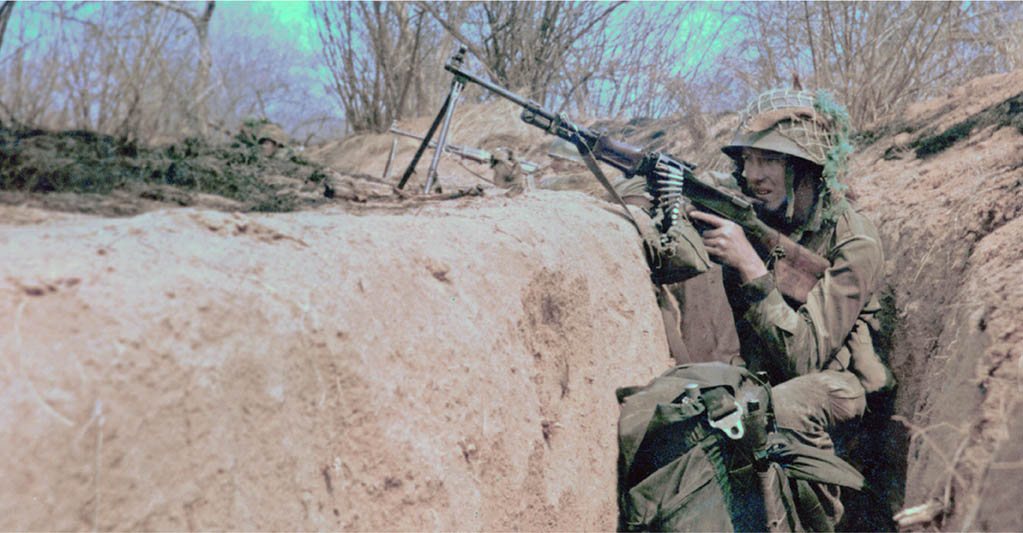
Three yards away from where I kneel a blind bend turns to the right following the zigzag course of the trench. I have ended up at an end of our line of advance. The bottom of the trench is littered with hundreds of spent cases of all caliber, a lot of 12,7, several bodies and an odd backpack which I leave alone.
The Freds cannot be more than fifteen yards away. Hardcore, they hold their ground.
A short lull then in a frantic attempt to force us out they unleash a furious concentration of fire of RPGs, Goryunovs, RPKs, PKMs, SKSs, AKMs and possibly some Makarov.
We hunker down while our mortar teams respond. No intention to concede an inch. Anyway we’d end up back in the open.
Dave Berry materializes at my side to announce an imminent Canberra bombing run to unlock the situation. Briefly clearing his throat he informs me of my instructions. I am to cover the rear of the pullback from the strike zone. From my position, by myself, all alone… I acknowledge the order with a gulp and a weak smile.
With a sinking feeling I watch the last guy crawl out of the trench.
For some minutes around my immediate area all appear to have gone quieter. Further to the front with unabated intensity batteries of ZUP 14.5 anti-aircraft fire at the jets on their bombing dives.
A sensation of complete isolation creeps in.
My full attention is on that bend to the left. Any second something will spring out of it.
Close by hushed animated voices. A cautious peek over the parapet. Top of bobbing heads dome of helmets the muzzles of weapons.
If they rush around that corner they’ll discover there is only me in the way. With nothing to shoot at the mind races for action this is when I remember the bunker bomb I have been carrying in my pack. I could use it to block the way by collapsing walls of the trench and with luck force the Freds out. Or just make my presence felt with a lot of noise.
The bunker bomb was one of many ingenious contraptions the resourceful Rhodesian Military R&D developed. Of simple concept making the job of clearing bunkers almost fun no matter the amount of sand bags used to reinforce the roof the force of the blast so powerful it lifted the whole structure before a complete collapse.
Using the brown plastic two halves of the container of a mortar bomb a compound of various PE’s – 4,9, RDX…- was pressed inside up to the rim. The mid-section duct taped and on the top a fuse delay. About four times the size an M970 -white phos- the handling by a hand of average size was a bit awkward.
Placing my RPD on its bipod to face the bend I pull the bomb out of the bergen. A light tingle runs along the spine. I had once thrown one during training in Kariba. The ‘shock and awe’ of the explosion is still vivid. And it was only the stubby version this one is bigger, twice the length.
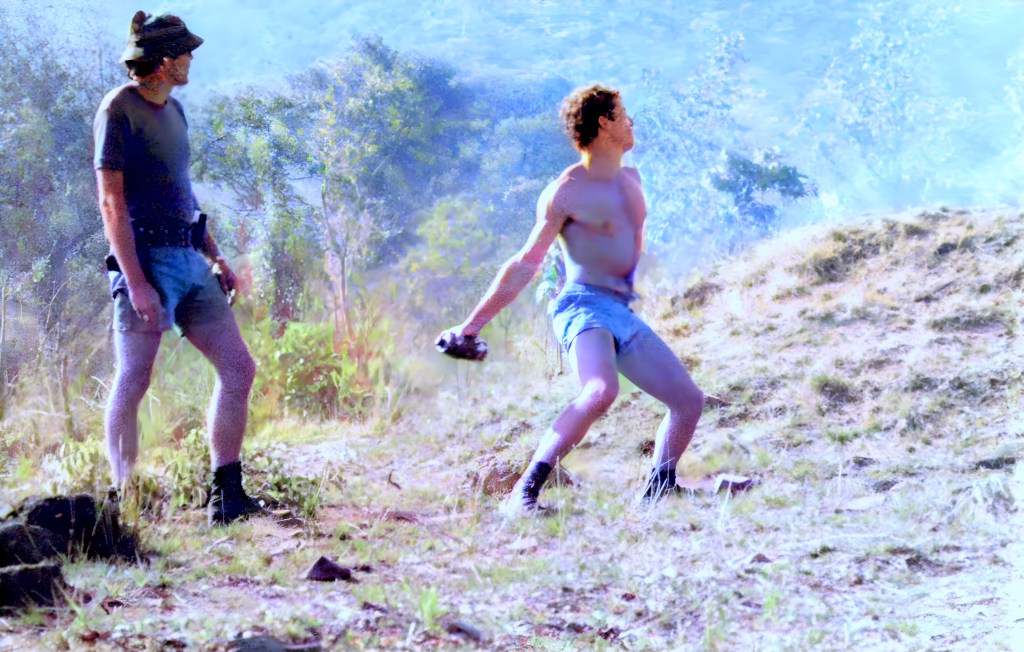
An increase of scurrying sounds coming from the Freds side add to the urgency. I have to use the tip of my AK bayonet to flatten the splayed pin, but not too flat. The Freds seem to be getting more restless by the second emboldened by the quiet from my side.
Camped on both feet as drilled in the grenade throw both hands back to back elbows up a look behind for unobstructed space I pull the pin. Now Mr. Bunker Bomb and I are no longer friends.
The arm fully extended to the back I mark a pause to slide the fingers off the fly-off lever. A sharp pop as it primes the fuse I begin a mental count down. Aiming for a twenty yards lob in a followed through overhead circular motion I swing my throw. As I let go I realize an error in the angle. It arcs through the air to disappear ten yards short. But still right into the Fred trench. A fuse delay of seven seconds a general guide line. It could not have been more than four.
I yell ‘Grenade!’ and discover Dave behind me diving for cover.
The blast sucks the air out of our closed perimeter sending a shock wave of hard black dust. Concussed for several seconds we both look up as rocks, bits of branches pieces of weapons and body parts fall back to earth.
Muffled words ‘What’s the fuck was that, Henri !!!??’ I may have heard him say having gone momentarily deaf and groggy from the blast.
We stagger our way out of the trench behind a screen of thick dust. A hastily covered quarter of a mile before we reach the waiting rear of the column. The ears still ringing.
A thumb up everyone accounted for we begin the pullback. Knackered, parched with thirst, aching all over jarred from disappointment and some incomprehension. Everyone guesses it could be to mark time for the Air Force to soften up the defenses.
However a definitive pullout is soon confirmed. To this day every job undertaken by the Squadron had been carried through successfully. This time for reasons we were anxious to learn we are compelled to pullout. No beer in the town of Mapai.
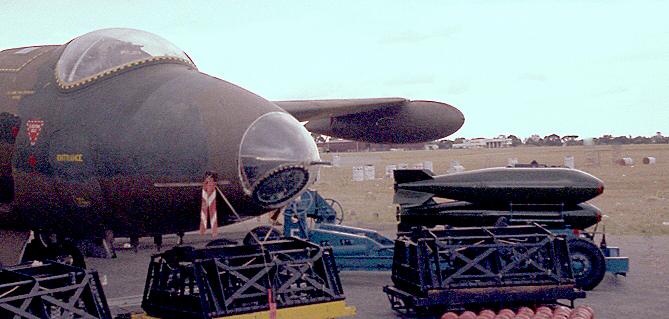
Ahead of a notice the Canberras begin to drop dozens of Golf bombs, devastating brainchild of Rhodesian engineering consisting of a thousand pound mixture of diesel and ammonium fertilizer.
Bob-tailing our single file away from Mapai I wish I could move faster. The ground under the feet begins to tremble with the approaching thunder roll of explosions.
Closing the end of the column we are still well inside the prescribed danger zone.
I notice a tenderness on the side of my thigh a sore from the constant rubbing by the heavy webbing pouch containing the belts of ammos. I ease it up with a hand.
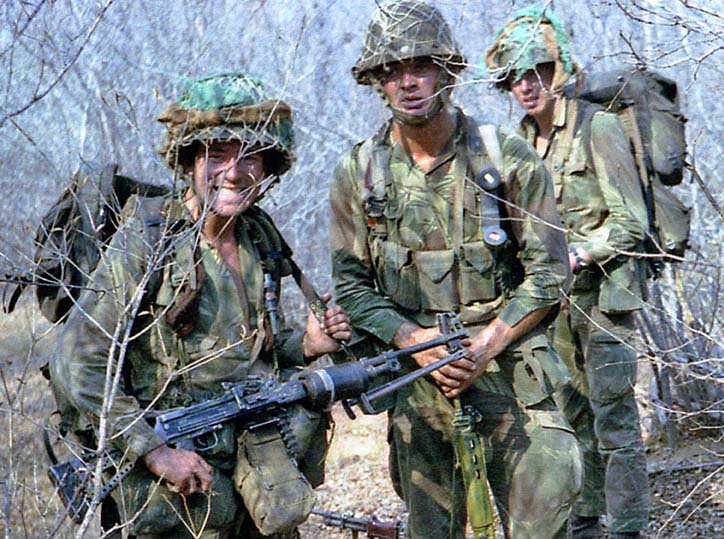
At that instant Steve K. who is walking in front of me turns around pointing his camera. In the distant future the one used for the cover of Barbara Cole’s ‘The Elite’.
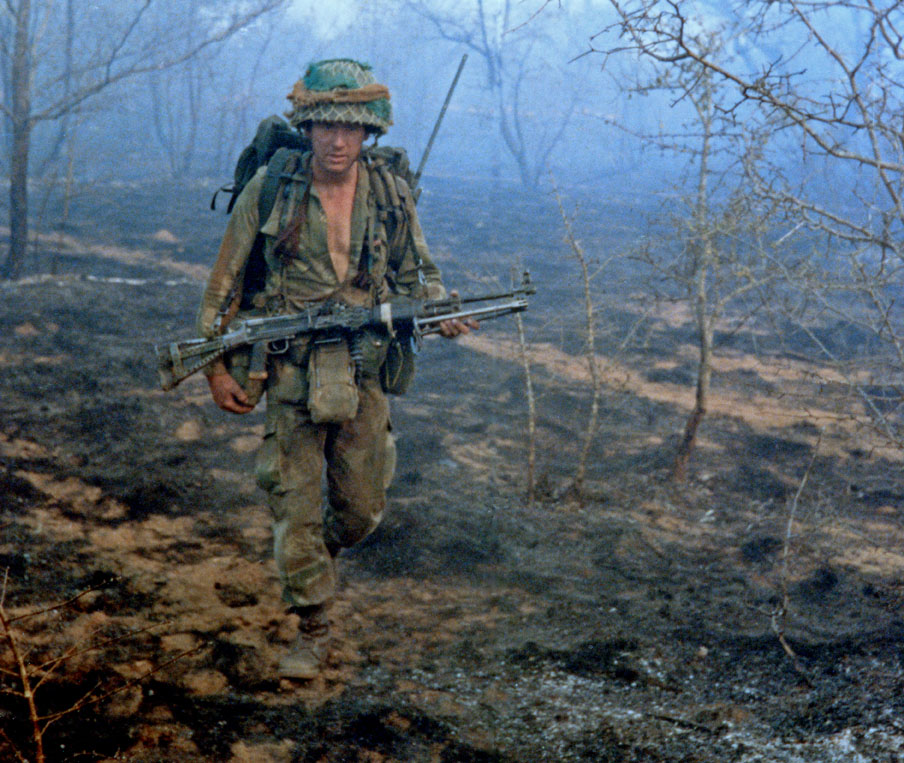
The sun light lowers through the trees. Mapai is receding still further behind, the bombing now a distant continuous rumble. Our column cuts its way through greener vegetation.
A short halt. A photo. No one in the group looks too happy I force a grin.
Plodding further on we come to a wide open clearing. A smoke break while a pickup area is being secured. The choppers are on their way. Conversations limited to unhappy comments.
And as if fate wanted to see how much more traffic we could bear we learn that the thick black column of smoke we all cheered while flying in was from one of the assault Puma that had been shot down by an RPG when it flew by error directly over an ammo dump.
A callsign had been dropped soon after to search for survivors before jets were dispatched to obliterate the wreckage along with evidence of SAAF involvement.
Weary dogged by frustration low spirited the groups clamber aboard their choppers for the return flight to Chipinga.
The Pumas skim above the ground in a loose flying formation. I watch the nearest one now and then dip out of sight below the tree line to resurface seconds later.
The changing light creates deeper shades of tones. Patches of green surrounding water holes. Lengthening shadows the air somewhat cooler.
A herd of goats.
Abruptly crushed by G’s the lungs are pushed deep inside the stomach. A head spinning jolt the sky flips behind us we hang over the blur of speeding trees. The space to the ground fills with orange flashes and bursts of black smoke a split second later we are engulfed in shafts of luminous tracer rounds. Sharp metallic cracks in the fuselage.
Less than a hundred feet down is an armoured convoy of Freds parked on a dirt road. In a knee jerk outburst of rage Carl and I sitting in the doorway hold the triggers of our RPDs squeezed in a continuous fire. Not aimed our tracers draw dotted luminous curves into the trucks. A brace for a crash that’s it.
We are level again. A frozen wide stare on every face. The navigator turns to us raising a questioning thumb. No one’s been hit. Someone who felt whizzes past him points to a couple of holes in the floor. A bottle is spilling water from a backpack.
Jerked out of our torpor the rest of the flight is spent in a dazed shock.
We cross the straight line of wire marking the border. Minutes later a short hover and a soft dusty landing.
Wearily the personal kit is unloaded everyone makes his way unhurriedly across the air strip to the camp. The whining pitch of the choppers gradually lowers to a stop. Only silence now.
With a couple of other guys we linger on with the crew. The pilot rejoins us while unfastening his headgear. As he pulls it off he is stunned to see it break apart.
A closer look reveals a round had grazed up his flak jacket past the back of his head before hitting the control panels in the ceiling. We look at each other trying to take in how close that call had been. One of these moments beyond words.
Grappling with the succession of events we make our way back to the camp leaving the pilots counting the holes in their chopper.
Ironically intelligence later intercepted indicated that had we held just a day longer the town would have been ripe for our picking. As most on the ground had half suspected. Unacceptable amount of casualty and materiel were cited as reasons for a pullout. Could have been some politics as well. We’ll never know for sure.
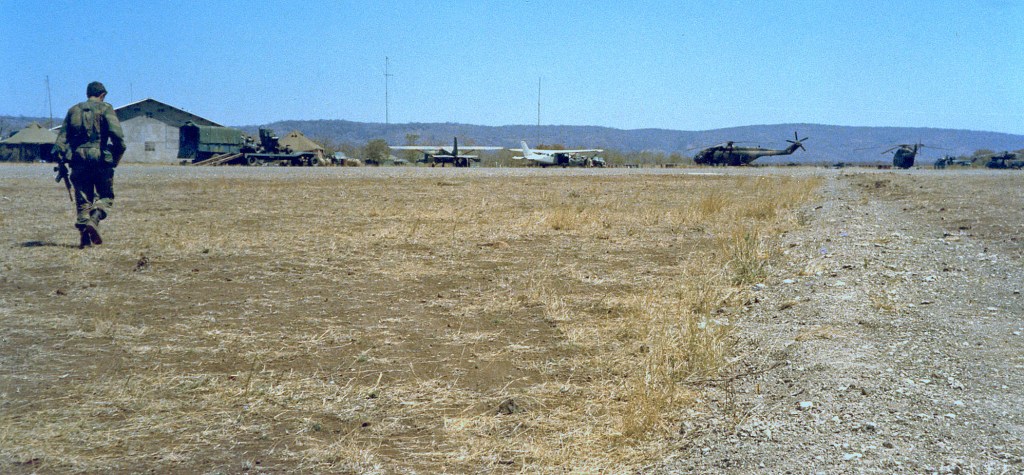
My sole wish at the moment is that quiet mug of tea I have been craving all day. A tea with real milk.
Having sorted out the sleeping space I head to the open air camp kitchen where I find several guys sitting at tables chewing the fat. Gas lamps shine a dim light.
I am not feeling hungry. Placing the steamy mug on a table apart I grab a chair.
The chatting is kept to a low voice punctuated now and then by a mirthless laugh.
A bright moon is ascending in a starry sky. I gaze pensively at the blue flames under the large pots of stew in the kitchen on the far side.
A young RLI guy comes to sit at the table with a book -a Wilbur Smith- and a full mug. Except on rare occasions the SAS did not wear any distinctive badge but the other units could tell.
Mindful not to appear intruding the RLI guy focuses on his mug in silence.
Picking on a cue as I take a sip of tea he ventures in a deferential tone to ask if I had been on the op in Mapai. I reply with a nod. He says his commando had been on standby as reinforcement. With a smile I nod again my gratitude.
Emboldened he now leans across the table to ask excitedly if I knew how many ‘floppies’ I had drilled during the day.
After another meditative pause my reply is that I do not keep a tally.
2022 Henri Lepetit © All Rights reserved
 C Squadron 1 Rhodesian SAS A Photographic Record